Intelligent people sensing for meeting rooms, desks, workstations and shared spaces — helping organisations understand how their workplaces are really being used.
Available from Anders+Kern UK, Milesight Smart Space Occupancy combines AI, Time-of-Flight, radar, PIR and thermopile technologies to provide real-time occupancy information while keeping privacy at the centre of the solution.
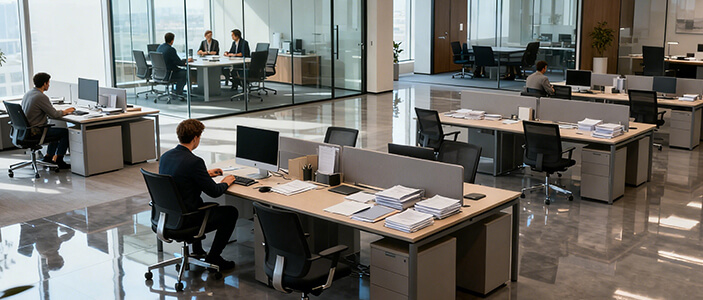
Booking data can tell you what people intended to use.
Occupancy data tells you what actually happened.
Milesight provides the physical sensing layer that allows workplace teams to understand whether meeting rooms are occupied, how many people use different areas and which desks or seats are genuinely in demand.
That information can support better booking experiences, more informed workplace planning, improved building efficiency and smarter automation.
Combining physical occupancy with room reservation data gives organisations a much more accurate view of meeting-space availability and utilisation.
Different spaces create different sensing requirements.
Milesight combines multiple technologies across its People Sensing portfolio so the sensor can be selected around the room, the required level of information and the privacy requirements of the application.
Advanced AI workplace sensing for meeting rooms, open offices, shared spaces and people-flow analytics.
AI and second-generation Time-of-Flight sensing for detailed people counting, traffic and utilisation data.
Radar and PIR sensing provide highly accurate image-free presence detection for meeting rooms and privacy-sensitive areas.
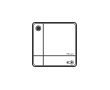
Battery-powered AI occupancy sensing for retrofits, meeting rooms, workstations and open workplace areas.
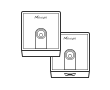
Compact occupancy sensing designed specifically for desks, seats and flexible workplace environments.
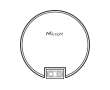
PIR and ToF occupancy sensing for small enclosed areas such as restroom cubicles and other privacy-sensitive spaces.
The most useful workplace insight often comes from combining several levels of occupancy information.
People counting can show how many occupants enter an area, room sensors can reveal collaboration space usage and desk sensors can provide granular workstation occupancy.
Together, these different sensing layers provide a much clearer understanding of how employees move through and use the workplace.
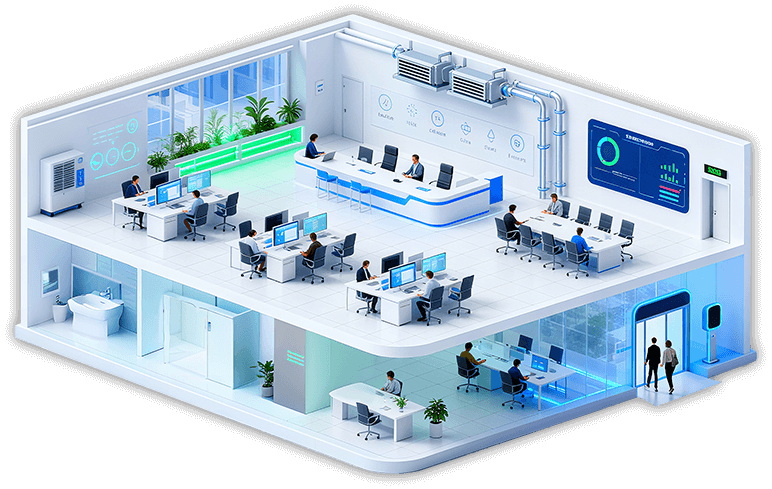
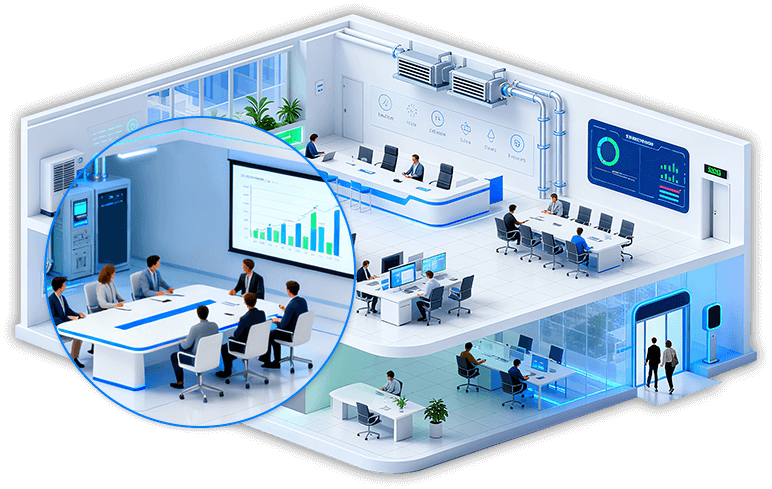
Reservations alone cannot provide a complete picture of meeting-room utilisation.
Employees may fail to attend, meetings can finish early or rooms can be used informally without a reservation.
Physical occupancy data allows compatible workplace and booking platforms to compare scheduled use with actual presence.
When integrated with a compatible room reservation platform, occupancy data can confirm whether employees actually arrive. If no presence is detected within an agreed period, the room can be released back into availability.
Some workplace environments require reliable human-presence sensing without any optical image capture.
VS370 combines 24GHz millimetre-wave radar with PIR to detect presence while remaining completely image-free.
Radar can detect subtle human movement, making the sensor useful in meeting rooms where people may remain seated and relatively still for extended periods.
View VS370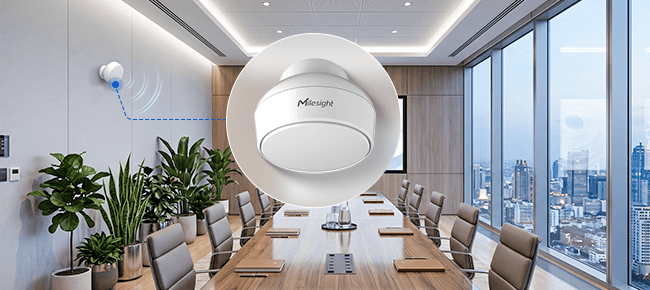
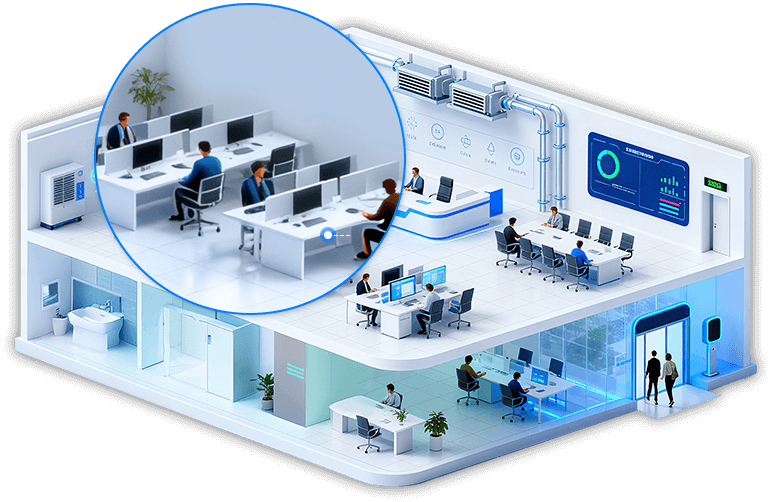
Hybrid working means employee headcount is no longer a reliable indicator of how many desks an organisation requires each day.
Desk-level occupancy provides evidence about workstation demand, peak utilisation and which parts of the office employees choose to use.
That information can support hot-desking strategies, office neighbourhoods, cleaning schedules and future real-estate planning.
View VS340 / VS341The objective of occupancy sensing is to understand how a space is being used, not who the individual using it is.
Milesight uses different sensor technologies depending on the application, allowing solutions to balance accuracy, information, privacy and power requirements.
Traditional building schedules operate around assumptions.
Occupancy sensing gives building systems an opportunity to respond to what is actually happening inside each room.
Once integrated, real-time occupancy can become an input for lighting, HVAC, ventilation, displays and booking workflows.
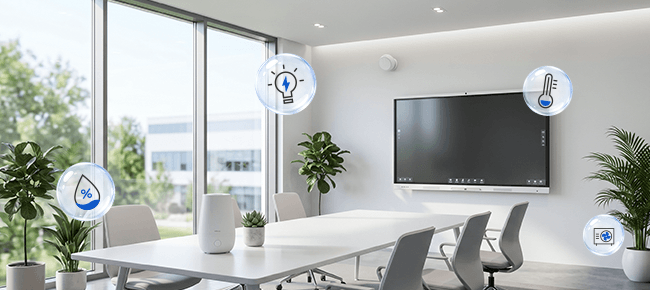
Real-time presence information can feed the wider smart-building environment, creating opportunities to improve both employee experience and operational efficiency.
Occupancy data becomes significantly more useful when it can move beyond the sensor itself.
Across the Milesight occupancy and smart-building ecosystem, deployment options include wireless and wired connectivity together with open integration methods for third-party platforms.
Wireless and battery-powered options can dramatically reduce installation complexity, making Milesight suitable for existing workplaces as well as new-build smart office projects.
Real-time data answers whether a space is occupied now.
Historical occupancy can show how well the same space performs across days, weeks and longer periods.
This allows organisations to identify peak demand, underused rooms, popular desk neighbourhoods and differences between booked capacity and actual usage.
Booking information explains planned use. Milesight occupancy sensing can add the physical-use layer required to understand whether that reservation converted into genuine occupancy.
Milesight's range allows different sensing technologies to be deployed across different types of spaces while contributing to the same wider workplace strategy.
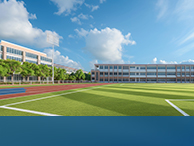
The same principles used within corporate offices can be extended across education, public buildings and other shared environments.
Classrooms, libraries, campuses, airports and commercial buildings can all benefit from understanding how people move through and use available space.
A broad sensing portfolio makes it possible to select different technologies across the estate while maintaining a common occupancy-data strategy.
Milesight adds the physical occupancy layer to Anders+Kern's workplace proposition. Alongside room and desk booking, workplace analytics, wayfinding and meeting-room technology, Milesight helps connect what employees plan to use with what actually happens inside the building.
Hybrid working has made space demand much less predictable.
Employee numbers do not directly translate into desk demand, booked meeting rooms do not always become occupied and different parts of the workplace can experience dramatically different levels of use.
Milesight Smart Space Occupancy provides the physical data layer needed to understand those patterns.
AI workplace occupancy, high-accuracy people counting, image-free radar presence and desk-level sensing allow organisations to select the right technology for each environment.
When that information is integrated with booking, analytics and building systems, workplace teams can create spaces that are better utilised, easier to find, more responsive and more efficient to operate.
Whether you need meeting-room presence detection, desk occupancy, people counting or a wider smart-building sensing strategy, speak to Anders+Kern about the Milesight Smart Space Occupancy portfolio.
Talk to A+K